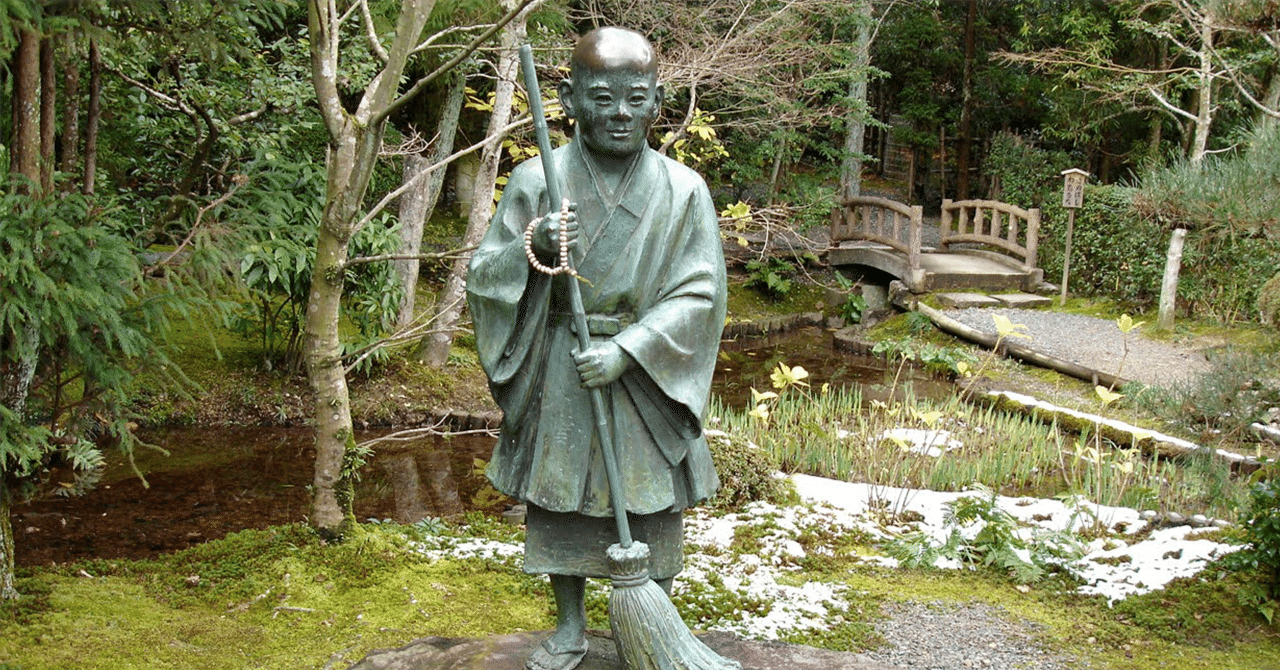
Introducing Ikkyuji: A Quiet Little Temple in Kyotanabe
Hello, I’m Chino Yoshio, a composer quietly based in Kyotanabe, Kyoto. Today, I’d like to introduce Ikkyuji Temple—a quiet Zen temple located in the Maki…
Introducing Ikkyuji: A Quiet Little Temple in Kyotanabe
Hello, I’m Chino Yoshio, a composer quietly based in Kyotanabe, Kyoto. Today, I’d like to introduce Ikkyuji Temple—a quiet Zen temple located in the Maki area of Kyotanabe, where the famous monk Ikkyu spent his later years.
What is Ikkyuji?
Ikkyuji is a small, peaceful Zen temple. It has never really been positioned as a tourist destination, so you won’t find the kind of bustling atmosphere you might see on Ujibashi Street near Byodoin Temple in Uji. In fact, I think this is part of Kyotanabe’s charm. I believe it’s important that the city remains uncommercialized and continues to offer calm, quiet spaces.
How to get there
If you're coming by train, the route from Kintetsu Shin-Tanabe Station via the so-called “Ikkyu Tonchi Road” is often recommended. However, this path crosses a busy main road and includes areas without sidewalks, so you’ll need to be cautious. If you're walking, I recommend either taking the sidewalk along Yamate Bypass past the city hall, or walking from JR Ōsumi Station along the same bypass—both routes take about 20–30 minutes. Alternatively, you can take a Keihan bus from Shin-Tanabe Station and get off at “Ikkyuji-michi” bus stop, which is a safer and more convenient option. The parking lot is not very large, but perhaps that slight inconvenience in getting there is what has helped preserve Ikkyuji’s tranquility. If it were located just five minutes from the station, the atmosphere would likely be very different.
The Image of Ikkyu
Many people associate Ikkyu with the witty anime character, but the real Ikkyu Sojun was an unconventional and free-spirited Zen monk. I enjoy watching historical programs that explore the real Ikkyu, and one that left a lasting impression was NHK E-Tele’s “Otona no Ikkyu-san” (The Adult Ikkyu). It has also been adapted into a book with quite a bold and impactful narrative. Whether or not it’s suitable as an introduction to Ikkyu is up for debate—but it’s definitely memorable.
Ikkyuji Natto
At Ikkyuji, you can try “Ikkyuji Natto,” a fermented food said to have been invented by Ikkyu himself. Unlike regular natto, it’s not sticky and has a strong salty taste. I imagine that during his lifetime, Ikkyu may have felt the need for such a food and created it accordingly.
About Ikkyu’s Grave
These days, you’ll find many YouTube videos introducing Ikkyuji Temple. Some of them emphasize facts like “Ikkyu was the son of the emperor” or “his grave is managed by the Imperial Household Agency.” But I believe that Ikkyu Sojun’s true essence lies in his disregard for authority and social rank. That’s precisely why he continues to be loved and remembered by many people today.
Nearby Shrine: Takigi Shrine
Just near Ikkyuji is Takigi Shrine. You’ll find a stone monument that reads “The Birthplace of Noh Theater.” If that interests you, I encourage you to stop by.